Ottawa and Alberta agree on pipeline plan
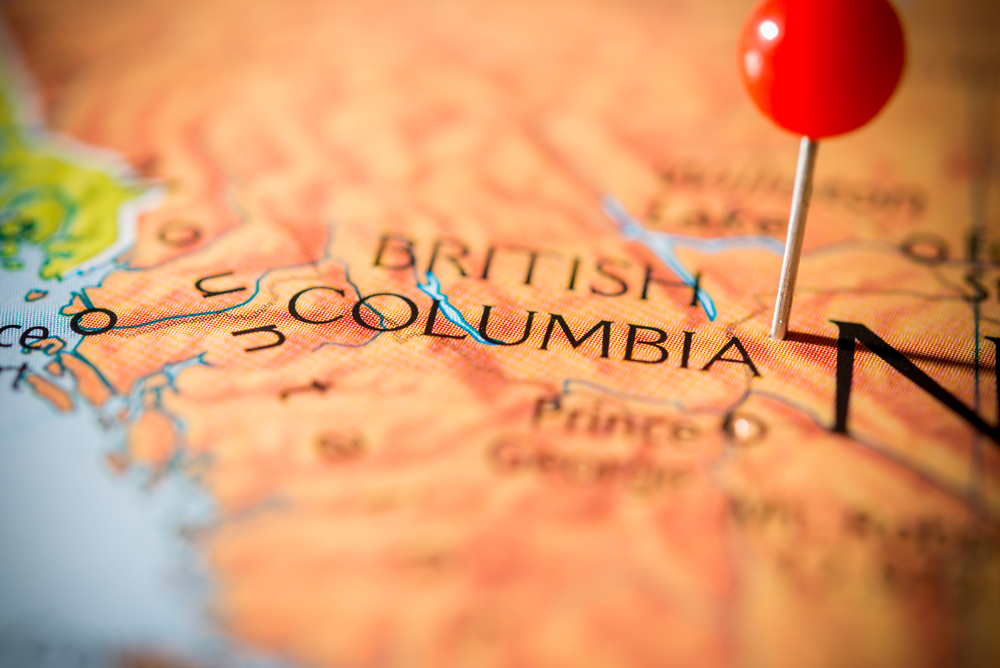
Canada and Alberta are moving ahead with plans for a major new oil pipeline after announcing measures intended to address concerns from British Columbia and First Nations on the Pacific coast.
The project is part of a wider push by Prime Minister Mark Carney to reduce Canada’s reliance on trade with the United States and expand access to overseas markets.
Carney announces major investments
Carney travelled between British Columbia and Alberta on Thursday to unveil more than C$150 billion in new investments across the two provinces.
Speaking in Vancouver, he said Canada needed to respond to a “more dangerous and divided world” by strengthening domestic industries.
Carney said the country must “move faster, build bigger and work together”.
Ports, LNG and coastal protections
The investment package includes billions of dollars for a port expansion in Vancouver and expanded power infrastructure linked to a new liquefied natural gas terminal.
The plan also includes new protections for the endangered southern resident killer whale.
Pipeline to carry 1 million barrels a day
The central project is a new pipeline that would largely follow the existing Trans Mountain route before diverting near the end to a new terminal.
According to the Alberta government, the pipeline would transport 1 million barrels of oil per day.
Carney said Canada and Alberta would be “equal partners” in the project and that Indigenous communities would receive “a meaningful ownership stake”.
Consultations begin immediately
The federal and Alberta governments said they will begin consultations immediately with Indigenous communities, provinces and territories.
They also committed to working toward “substantial” methane reductions as part of the project.
Northern tanker ban remains in place
Carney confirmed that his government will maintain the federal ban on oil tankers loading or unloading along British Columbia’s north coast.
First Nations have long described that environmental safeguard as non-negotiable.
Keeping the ban in place marks a significant change from earlier pressure for a northern route that would have required overturning the restriction.
Alberta backs southern route
Alberta Premier Danielle Smith had previously advocated for a northern route.
On Wednesday, however, she said the southern option represented “the fastest, most cost-effective path to expanding Canada’s energy exports”.
Smith is also facing pressure from separatist voices in Alberta to show that the province can still secure major energy agreements with the federal government.
British Columbia will not fight project
British Columbia Premier David Eby said his government will not oppose the pipeline.
He said the province had “found out the hard way” after losing a court battle over the original Trans Mountain expansion.
Eby said the new agreement includes strong safeguards and that residents would be “fairly compensated for the environmental risks we would take on any new pipeline project”.
Coastal First Nations welcome tanker decision
Marilyn Slett, president of the Coastal First Nations and elected chief of the Heiltsuk Nation, called the announcement a “good day” because the tanker ban will remain intact.
“British Columbians, Canadians and the First Nations who call this place home want this region to remain protected. There is no technology that can clean up an oil spill at sea, and a single oil spill could destroy our way of life,” she said. “Protecting our coast is not a barrier to economic prosperity, it is the source of it.”
LNG support had been at risk
Several First Nations had previously warned they would withdraw support for multibillion-dollar LNG projects if the 50-year tanker ban was lifted.
The shift toward a southern pipeline route reflects a recognition that Indigenous opposition could severely delay any project that threatened the north coast protections.
Climate groups criticize fossil fuel expansion
The Climate Action Network said it agreed with Carney that Canada faces a “treacherous moment of geopolitical instability”.
However, the group argued that climate change, not trade partners, is the larger source of instability.
“Continuing to expand fossil fuel production when Canadians are already living with climate chaos is simply dangerous,” the group said.
Cost concerns remain unresolved
The Trans Mountain expansion has become one of the largest and most expensive infrastructure cost overruns in Canadian history.
Although the pipeline has strategic value, questions remain over whether taxpayers will recover their investment.
Chris Severson-Baker, executive director of the Pembina Institute, said the economics of the project remain doubtful.
“If this was a smart economic venture, if there was any kind of reasonable return on investment to be made, a private company or companies would have put up the cash,” he said.
“Instead, Albertan and Canadian taxpayers will now shoulder the cost of 90% of this project – which will likely run into the tens of billions of dollars.”