Pound struggles to extend recovery
The British pound lost momentum against the U.S. dollar on Wednesday, with GBP/USD holding in a tight range during Asian trading.
After recovering from a three-week low over the previous two sessions, the pair failed to build on those gains and traded near the 1.3365 to 1.3370 area, almost unchanged on the day.
Traders wait for clearer signals
Market participants appear reluctant to take large positions before two major catalysts become clearer.
The first is the ongoing crisis in the Middle East. The second is the upcoming U.S. Consumer Price Index report, which could shape expectations for the Federal Reserve’s next policy moves.
Middle East tensions support the dollar
Geopolitical risk continues to favor the U.S. dollar.
The U.S. military launched strikes against Iran after President Donald Trump ordered retaliation for the downing of an American helicopter in the Strait of Hormuz.
Iran warns Washington
Iran’s Foreign Minister Abbas Araghchi warned the United States to leave the region or face consequences.
He also said Iran’s armed forces would respond to any attack or threat, keeping investors focused on the risk of further escalation.
Diplomatic progress remains limited
The lack of progress in U.S.-Iran negotiations has weakened hopes for a near-term peace deal.
That uncertainty has kept geopolitical risks elevated and supported the dollar’s relative safe-haven appeal, limiting upside potential for GBP/USD.
Dollar bulls hesitate before CPI
Despite the supportive backdrop, dollar buyers are not pushing aggressively ahead of the U.S. inflation report.
The CPI data due later in the day is expected to play a major role in shaping short-term demand for the greenback.
Fed expectations remain in focus
Investors are watching whether U.S. inflation shows signs of cooling or whether price pressures remain persistent.
A stronger inflation reading could reinforce expectations that the Federal Reserve may keep rates higher for longer or even raise interest rates again before the end of the year.
Energy prices complicate the outlook
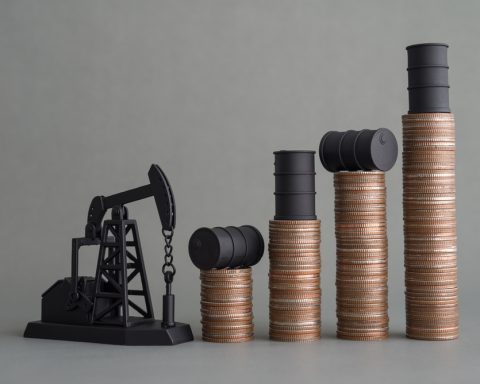
The war-related rise in energy prices has added another layer of concern for policymakers.
If higher energy costs feed into broader inflation, markets may continue to price in a more restrictive Fed policy path, which would support the dollar and pressure GBP/USD.
UK politics weighs on sterling
The pound is also struggling because of domestic political uncertainty in the United Kingdom.
Prime Minister Keir Starmer’s authority has been shaken after the resignations of junior ministers, creating a less supportive backdrop for sterling.
BoE rate bets offer limited support
Expectations that the Bank of England could deliver at least one 25-basis-point rate hike by the end of 2026 have provided some support for the pound.
However, those expectations have not been strong enough to offset political uncertainty and broad dollar strength.
Technical resistance remains important
GBP/USD also faces a technical hurdle near the 1.3400 level.
The pair failed to break convincingly above that area overnight, with the 200-day Simple Moving Average sitting nearby as an additional resistance point.
Caution before further gains
The inability to move past the 1.3400 zone suggests traders may need stronger confirmation before positioning for further appreciation.
Until the pair clears that resistance, the recovery from the three-week low may remain vulnerable.
Near-term outlook stays uncertain
For now, GBP/USD is caught between competing forces.
Middle East tensions and Fed rate hike expectations continue to support the dollar, while Bank of England expectations offer some support to sterling. The next decisive move may depend on the U.S. CPI report and whether geopolitical risks continue to escalate.