Ottawa Opens Talks With Saab
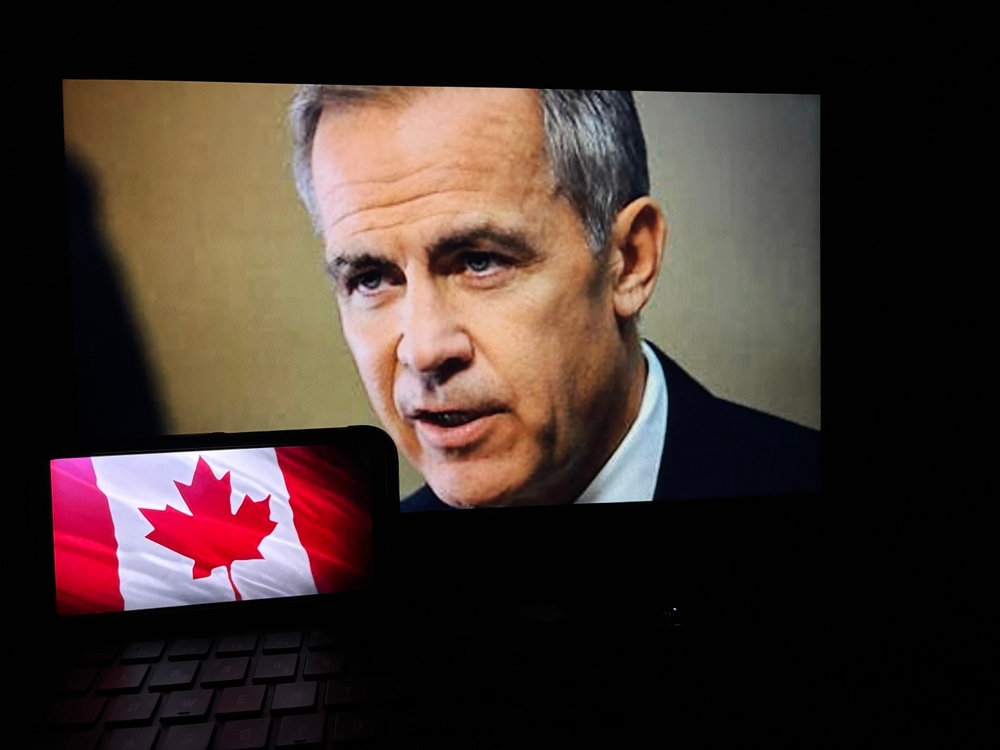
The federal government is entering contract negotiations with Saab to buy a fleet of surveillance aircraft for the Royal Canadian Air Force, Prime Minister Mark Carney announced Wednesday.
Ottawa has previously said it is looking to acquire six advanced early warning radar aircraft, a capability designed to strengthen Canada’s ability to detect threats and share intelligence with allies.
GlobalEye Selected For Radar Capability
Saab produces the GlobalEye surveillance aircraft in partnership with Bombardier. The platform is based on Bombardier’s Global 6500 business jet.
Speaking at the Cansec defence expo in Ottawa, Carney said GlobalEye can track objects and signals up to 650 kilometres away and share that information in real time with Canadian Forces and allied partners.
A Signal On Defence Diversification
Carney noted that he is the first Canadian prime minister to attend the annual Cansec arms show, a gesture that aligns with his push to expand the military and strengthen Canada’s domestic defence industry.
Philippe Lagassé, a defence procurement expert at Carleton University, said the decision marks Carney’s first step in showing what diversification beyond the American defence industry could look like.
European Partnership Gains Ground
Lagassé said the government’s desire to pivot away from relying too heavily on American military capability made Saab’s GlobalEye an easier choice.
Carney also pointed out that the Global 6500 includes 20% U.S. content, an important detail as Canada reassesses its defence supply chains during a period of trade tension with Washington.
More Work Could Move To Canada
Secretary of State for Defence Procurement Stephen Fuhr said Bombardier currently builds its jets in the Toronto area, while Saab adds the military components in Sweden.
Under the new plan, Saab would add those surveillance components in Canada, with the goal of strengthening domestic industrial capacity and potentially supporting exports from Canada.
Saab Plans Canadian Hub
Saab CEO Micael Johansson said talks are ongoing to determine how quickly Canadian industry could build the aircraft.
He said Saab will establish a Canadian hub to build planes in Canada, calling it an important part of the company’s strategy. Johansson said Canada has strong industrial capabilities and that Saab wants production capacity on both sides of the Atlantic.
American Options Were Considered
National Defence also reviewed two U.S. options: Boeing’s Wedgetail E7A and L3Harris’ AERIS X platform.
Lagassé said the Saab announcement was not a major surprise because the Liberals campaigned on acquiring a radar aircraft with domestic industrial participation. That narrowed the field mainly to Saab’s GlobalEye or a possible L3Harris integration on a Bombardier jet.
Fighter Jet Decision Still Pending
Boeing said it remains confident in its E7 product and respects the Carney government’s decision. L3Harris said it will continue engaging with Ottawa on the program.
The government has still not made a final decision on its planned fighter jet purchase. Saab’s Gripen is the main rival to the U.S.-built F-35, while Ottawa’s full order of 88 F-35s has been under political review for more than a year amid President Donald Trump’s trade war with Canada.
A Defence And Industrial Strategy Move
Lagassé said the radar aircraft decision should not necessarily be read as a sign of how the fighter jet competition will end.
For Canada, the Saab negotiations carry both military and industrial significance. The deal could strengthen airborne surveillance, increase Canadian participation in defence manufacturing and support Ottawa’s broader effort to reduce dependence on U.S. defence suppliers.