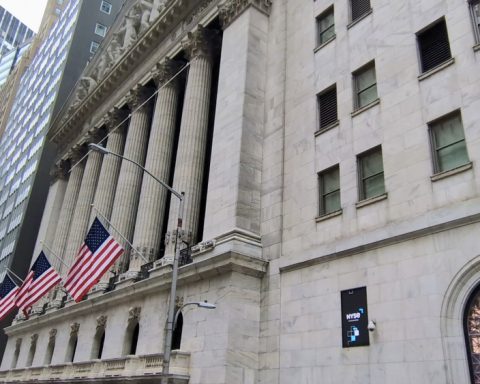

US stocks moved lower as investors reacted to weakness in major technology companies and renewed uncertainty over the reopening of the Strait of Hormuz.
Technology Stocks Pressure Major Indexes
The S&P 500 declined 0.32% on Tuesday, closing at 7,728.20 and marking its second consecutive daily decline. The Nasdaq Composite fell 0.60% to 26,445.45, while the Dow Jones Industrial Average dropped 184.13 points, or 0.34%, to finish at 53,791.85.
The communication services sector was among the weakest performers in the S&P 500, falling more than 2%. Alphabet shares declined 3.8%, while AppLovin dropped nearly 6%. Alphabet has faced continued pressure following recent changes to its artificial intelligence division structure.
The technology sector also weakened, with Nvidia shares giving up earlier gains to close slightly lower despite announcing a partnership with major asset managers to help mobilize more than $500 billion for AI infrastructure investment. Apple shares also declined more than 1%.
Oil Prices Rise Amid Middle East Uncertainty
Investor sentiment was affected by renewed concerns over the Middle East conflict and uncertainty surrounding the future of the Strait of Hormuz. US West Texas Intermediate crude futures gained 1.3% to close at $83.20 per barrel, while Brent crude rose about 1.4% to $88.91 per barrel.
Iranian officials reiterated that the strait would not reopen until certain conditions were addressed, creating concerns over potential disruptions to global energy supplies.
However, comments from Pakistan’s Defense Minister Khawaja Asif provided some optimism after he suggested that discussions could move toward a possible peace arrangement or agreement.
Investors Focus on Upcoming Inflation Data
Markets are now awaiting key inflation reports, including the July consumer price index and producer price index data. The reports will be closely watched after weaker-than-expected employment data raised questions about the Federal Reserve’s next policy decisions.
Higher oil prices have increased concerns about inflation pressures, while slower hiring has created uncertainty about consumer spending and economic growth.
Some analysts expect softer inflation data could support the case for the Federal Reserve to keep interest rates unchanged rather than raise them. However, persistent services inflation remains a factor that policymakers will continue to monitor.