Higher-rate expectations lift the greenback
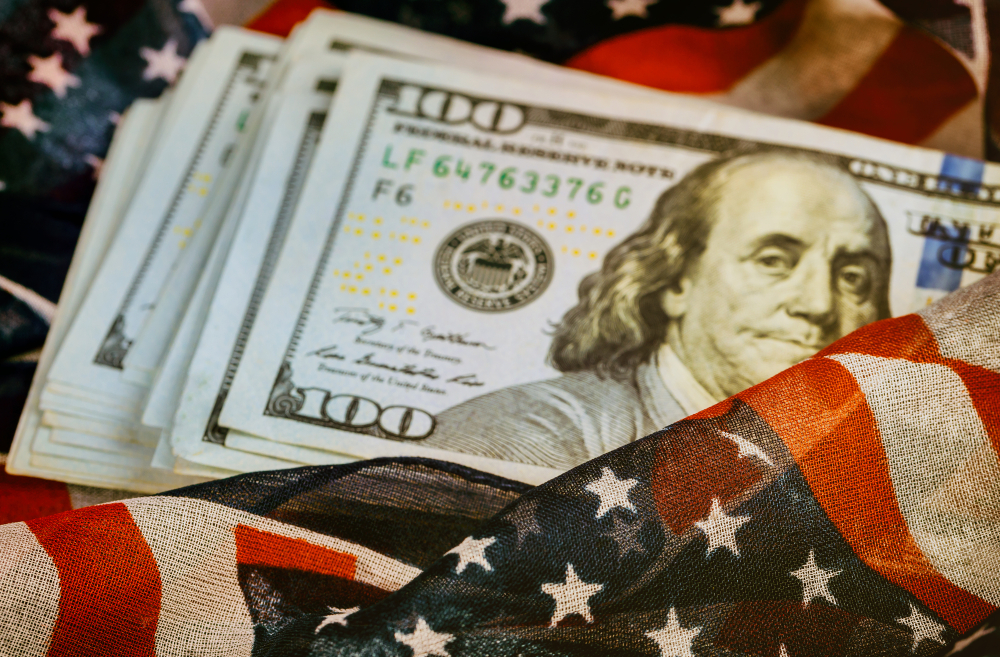
The US dollar climbed for a third consecutive session on Wednesday, reaching its strongest level in 13 months as investors increased their expectations of Federal Reserve rate hikes later this year.
Recent comments from policymakers have reinforced the central bank’s focus on persistent inflation, while the wider US economy continues to show signs of stability. Global technology stock losses also encouraged demand for the dollar as a defensive asset.
Iran uncertainty adds to dollar demand
Doubts surrounding the preliminary peace agreement between the United States and Iran provided additional support for the American currency. Oil prices nevertheless fell to levels last recorded before the war as more tankers prepared to leave the Strait of Hormuz.
“(The Fed) is trying to hike interest rates or really strongly considering being very hawkish moving forward, because the concern is that prices have gone up way too high,” said Juan Perez, director of trading at Monex USA in Washington.
Perez said the Fed’s position, combined with caution over Iran, “is what’s creating this dollar dominance”.
Dollar index reaches 101.80
The Dollar Index gained 0.2% to 101.60 after touching 101.80, its highest reading since May 12, 2025. The euro declined 0.2% to $1.1355.
The dollar was heading for its longest winning streak since the beginning of June and had advanced during five of the previous six sessions.
Month-end portfolio rebalancing models indicated moderate demand for dollars against most leading currencies. Quarter-end projections, however, suggested stronger dollar selling, leaving no decisive directional signal for the end of June.
Markets price a September rate increase
Interest-rate futures assigned an approximately 32% probability to an increase of at least 25 basis points at the Fed’s July meeting. The likelihood of a hike by September stood near 66%.
Investors are now awaiting Thursday’s release of the Personal Consumption Expenditures price index for May. The report is closely monitored because it is the Federal Reserve’s preferred measure of inflation.
US equities delivered a mixed performance during the session as markets waited for Micron Technology to publish its quarterly results after the closing bell.
Sterling falls after Starmer’s resignation
The British pound lost 0.33% to trade near $1.316, after falling as low as $1.3139. That was its weakest level since November.
Sterling was heading for a second consecutive daily decline following the resignation of Prime Minister Keir Starmer on Monday, which added domestic political uncertainty to the pressure from the stronger dollar.
Yen approaches its weakest level since 1986
The dollar gained 0.1% against the Japanese currency to reach 161.80 yen. A move beyond 161.96 would push the yen to its lowest level since 1986.
Warnings from Japanese officials have failed to halt the currency’s decline. The government is preparing measures to manage its $1.3 trillion in foreign exchange reserves more effectively for possible market intervention.
Former Bank of Japan policymaker Sayuri Shirai said the yen could fall to 165 per dollar if the Federal Reserve raises rates this year.
A summary of the Bank of Japan’s June meeting also showed that some board members supported further increases to bring the policy rate closer to a level considered neutral for the economy.