Silver Slips Slightly In Early Trading
Silver traded at $75.06 per ounce at 8:45 a.m. Eastern Time, down 13 cents from the previous session. Despite the small daily decline, the metal remains dramatically higher than it was a year ago.
Compared with last year’s price of $33.39 per ounce, silver has gained more than $41, representing an increase of 124.79%. The move reflects strong demand for precious metals during a period marked by inflation concerns, geopolitical uncertainty and growing industrial use.
Recent Price Performance
Silver was priced at $75.19 per ounce yesterday, meaning today’s move represents a decline of 0.17%. Compared with one month ago, when silver traded at $79.71, the metal is down 5.83%.
Even after that monthly pullback, silver’s yearly performance remains striking. The metal has more than doubled over 12 months, outperforming many traditional safe-haven assets and attracting renewed attention from investors looking for inflation protection and portfolio diversification.
Silver’s Long-Term Role
Silver is not usually viewed as an investment designed for explosive long-term growth. Over very long periods, it has historically trailed the stock market by a wide margin.
Its appeal lies instead in its role as a store of value and hedge against inflation. Investors often turn to silver when they want an asset that can preserve purchasing power during periods of currency weakness, rising prices or financial uncertainty.
Why Silver Can Be Volatile
Silver tends to move more sharply than gold because it has both investment and industrial demand. It is used in electronics, healthcare equipment, solar technology and other industrial applications.
Gold, by contrast, is more heavily associated with safe-haven demand. Silver’s dual role means its price can be influenced not only by inflation and interest rates, but also by expectations for manufacturing, technology and renewable energy demand.
Understanding Spot Silver
The spot silver price refers to the current market price at which silver could theoretically be traded immediately. It acts as a real-time indicator of market demand.
In practice, buyers often pay more than the spot price because physical silver purchases include premiums, dealer markups, shipping costs and insurance. A rising spot price usually signals stronger buying pressure in the market.
Bid, Ask And Price Spread
In silver trading, the price spread is the difference between the bid price and the ask price. The ask price is what buyers pay to purchase silver, while the bid price is what sellers receive when they sell.
A narrow spread usually indicates strong liquidity and active trading. A wider spread can signal lower trading activity or higher transaction costs, especially in physical markets.
Ways To Invest In Silver
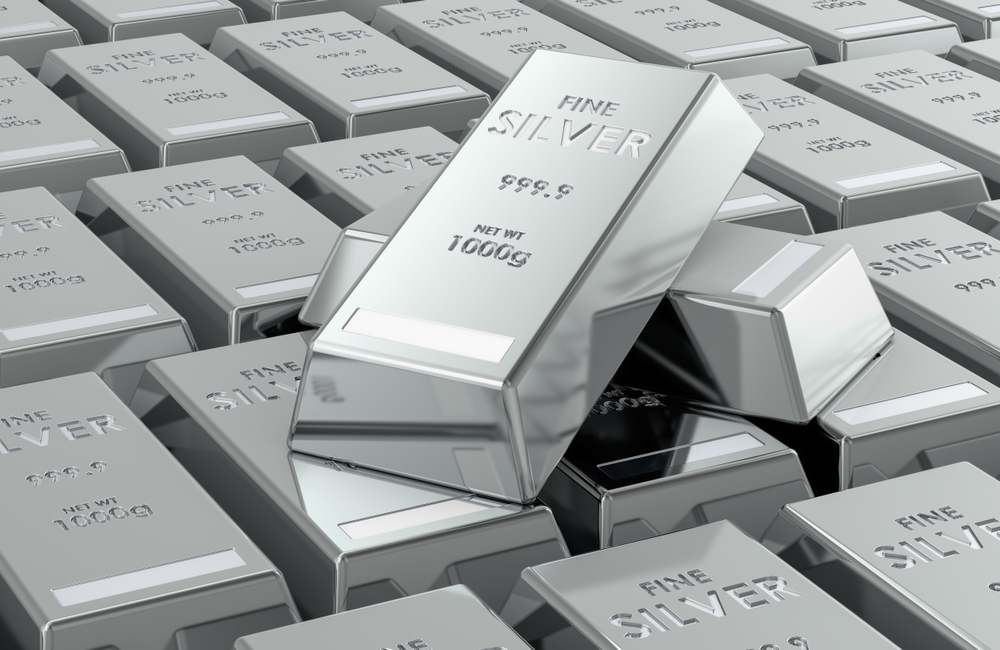
Investors can gain silver exposure through physical holdings or financial products. Physical options include bullion bars, rounds, government-minted coins and jewelry, while market-based options include exchange-traded funds and mining stocks.
Silver ETFs offer exposure without the need to manage storage or insurance. Mining stocks provide indirect exposure, but they also carry company-specific risks tied to production costs, management, reserves and broader equity market conditions.
Is Silver Attractive At Current Levels?
Silver has already posted a major rally over the past year, so timing matters. Investors seeking inflation protection or exposure to rising industrial demand may still find the metal attractive, especially given its use in solar panels, electronics and other technologies.
However, those looking for steady long-term growth may prefer more diversified assets. Silver can be volatile, and its recent surge means new buyers should consider their risk tolerance, investment horizon and overall portfolio balance before adding exposure.