Jobs Data Strengthens The Dollar
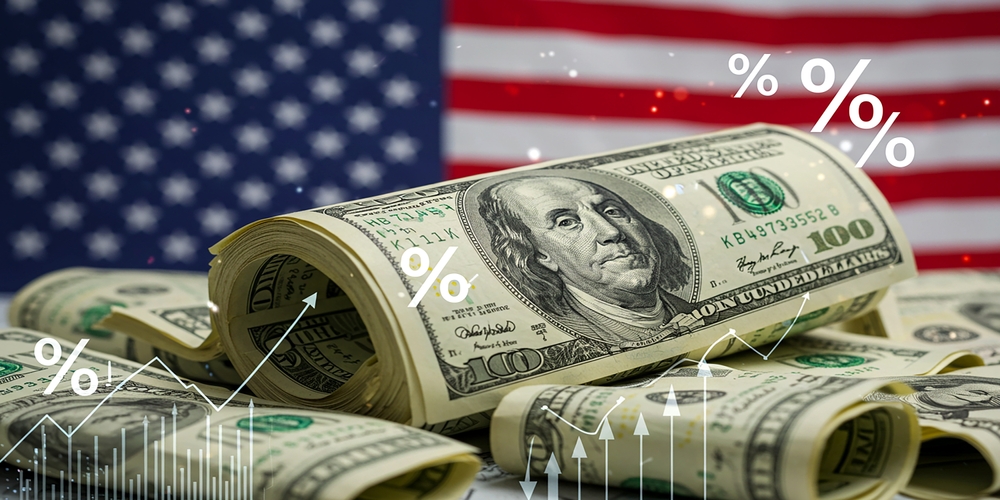
The U.S. dollar held near a two-month high on Monday after a stronger-than-expected jobs report pushed traders to increase bets on a Federal Reserve rate hike later this year.
The yen remained under pressure and moved deeper into levels that markets associate with possible Japanese intervention.
Currency Moves Remain Contained
Currency markets were relatively calm compared with broader financial markets.
Technology stocks sold off sharply across Asia, but the dollar largely held the gains it made after U.S. nonfarm payrolls came in far above expectations.
Payrolls Beat Expectations
The U.S. economy added 172,000 jobs last month, significantly exceeding forecasts.
The strong report reinforced the view that the U.S. labor market remains resilient despite the ongoing global energy price shock.
Euro And Sterling Slide
The euro fell to a two-month low against the dollar, touching $1.1507.
Sterling also struggled, dropping to a three-week low of $1.33165 as the greenback strengthened broadly.
Aussie And Kiwi Under Pressure
The Australian and New Zealand dollars also weakened.
The Aussie slipped to $0.7016, while the kiwi fell to $0.5779, with both currencies reaching their lowest levels in two months.
Fed Hike Bets Build
Jonas Goltermann, chief markets economist at Capital Economics, said the payrolls report points to a U.S. labor market that is strengthening despite the energy shock.
He said that combination makes Fed tightening later this year increasingly likely.
Two Rate Hikes Now Expected
Capital Economics now expects the Federal Open Market Committee to deliver two 25-basis-point rate hikes later this year.
The forecast reflects the combined impact of the energy supply shock and the reacceleration of the U.S. labor market.
Energy Crisis Keeps Inflation In Focus
Even before the jobs report, traders had been gradually increasing bets on a Fed hike.
The global energy crisis linked to the Iran war has raised concerns that inflation could remain elevated or accelerate further.
Middle East Tensions Add Pressure
Israel said it struck military targets in western and central Iran on Monday.
The move came even after reports that U.S. President Donald Trump had urged Israeli Prime Minister Benjamin Netanyahu to avoid further attacks.
Markets Price Higher Fed Risk
Markets now see a more than 70% chance that the Fed will raise rates in December, according to the CME FedWatch tool.
That is a sharp increase from the 45% probability priced in one week earlier.
Yen Near Intervention Zone
The stronger dollar has added more pressure on the Japanese yen.
The currency traded around 160.33 per dollar, moving back toward levels that previously triggered official intervention from Tokyo.
Past Intervention Gains Erased
The yen has now erased the gains it made after Japan’s 11.7 trillion yen intervention just over a month ago.
That intervention came when the currency weakened to its lowest level since July 2024, near 160.725 per dollar.
BOJ Rate Hike Expected
Sources told Reuters that the Bank of Japan is expected to raise interest rates this month unless a sharp escalation in the Middle East conflict disrupts markets.
Rising fuel costs from the energy shock are adding to domestic price pressures and strengthening the case for another move by the central bank.
Yen Needs More Than One Hike
Sim Moh Siong, strategist at OCBC, said the yen remains in limbo because a Bank of Japan rate hike is already largely priced in.
For the yen to gain more support, markets may need the BOJ to signal a faster-than-expected pace of future rate hikes.
Ether Also Recovers
Ether also gained more than 1%, rising to $1,652.23.
Recently fallen to a 14-month low before recovering modestly.
Dollar Momentum Remains Firm
The dollar remains supported by strong U.S. data, rising Treasury yield expectations and renewed geopolitical uncertainty.
Unless U.S. economic momentum weakens or Fed rate hike expectations reverse, the greenback is likely to stay firm, while the yen remains vulnerable near intervention levels.